Fulford Engagement for the City of York Council
Inclusive Engagement and Public Space Consultancy
I offer freelance external consultancy work supporting councils, charities, and community organisations to better understand how people experience public spaces, parks and active recreation is a key part of what I do.
My work focuses on inclusive engagement that centres lived experience, particularly the voices of groups who are often underrepresented in traditional consultation processes. This has included young people, teenage girls, women, older people and a focus on intersectionality and groups often missed when public spaces are designed or improved. Through a mix of community based engagement, creative methods, and clear reporting, I help decision makers move beyond assumptions and towards evidence informed, people centred design and investment.
Fulford Sports and Active Recreation Consultation
Creating spaces for sport and active leisure that genuinely work for everyone requires more than technical design. It requires listening carefully to the people who use spaces and those who don’t, and especially getting the views of those who are often underrepresented in traditional consultation processes.
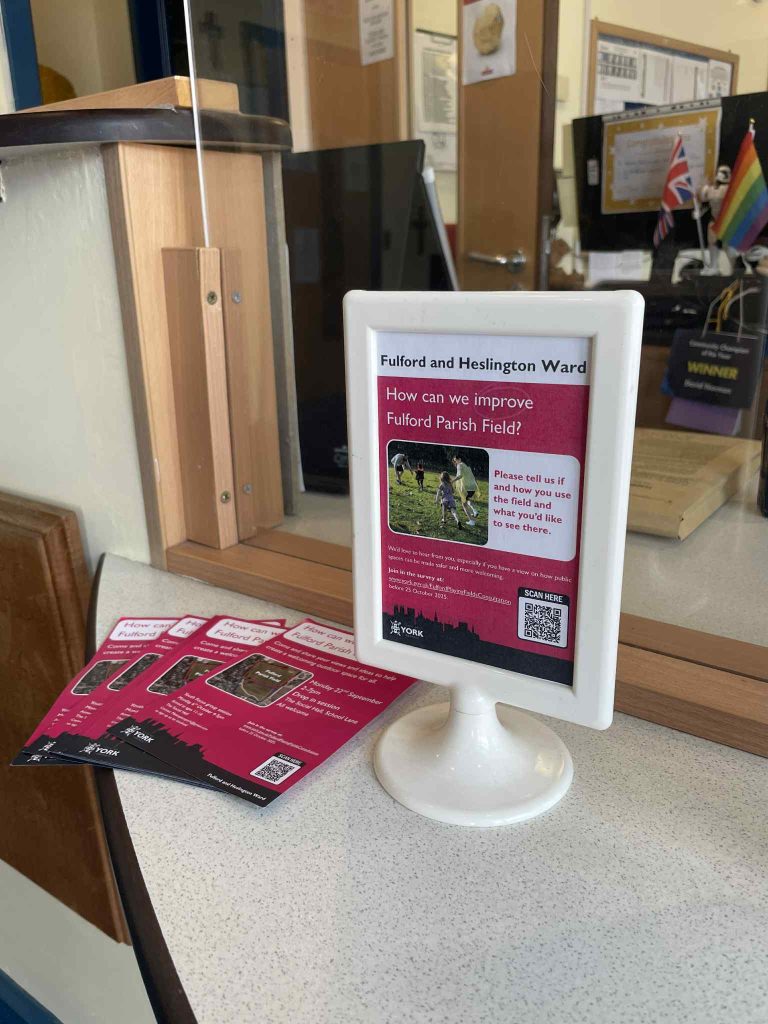
In 2025 I carried out the Fulford Sports and Active Recreation consultation on behalf of the City of York Council. The aim was to look at how a large recreation space that currently includes football pitches, a sports pavilion and small play park could be improved to meet the needs of the wider community, funded through Section 106 contributions. The consultation was commissioned to ensure that any future investment would be informed by the needs and experiences of local people, rather than assumptions about how the space should be used. In particular, there was a desire to understand how inclusive the space currently feels and how it could better support a wider range of users, including groups who are often less visible in sport and recreation planning.
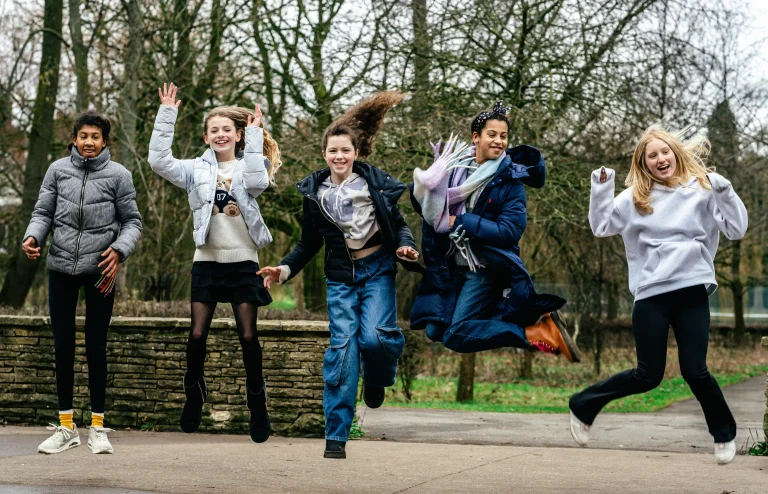
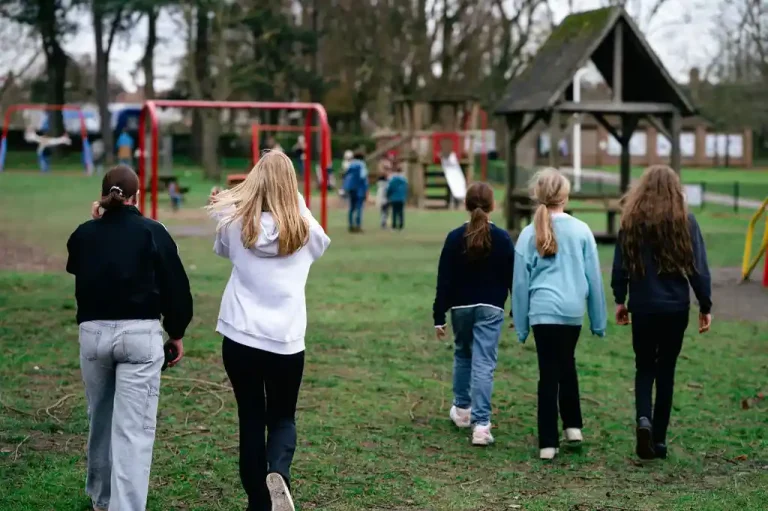
My role as an external consultant was to design and deliver an engagement process that was accessible, inclusive, and grounded in lived experience. The engagement sought input from a broad range of local users and potential users of the space – and particular focus was on groups often overlooked such as teenage girls, older people, ethnic minorities and those with specific needs. A mixed method approach was used to ensure that different voices could be heard in ways that suited them. This included:
- In person engagement sessions within the community
- Creative and conversational activities designed to feel welcoming rather than formal
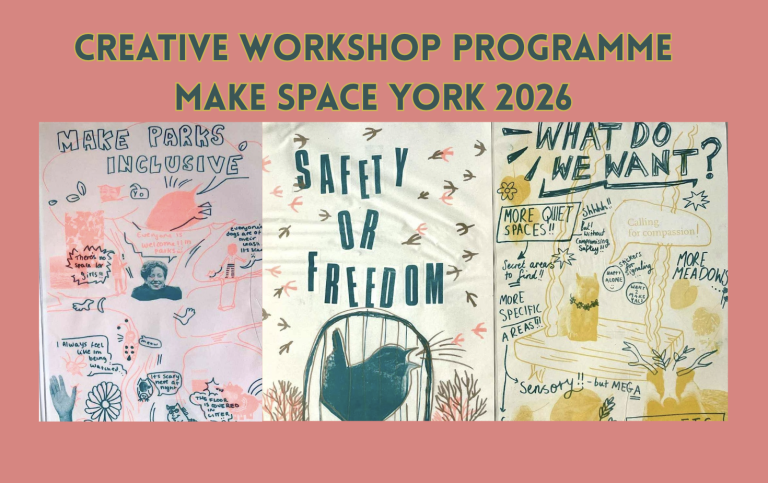
- Opportunities for young people to express views visually and verbally
- Clear and accessible survey routes for wider participation
The emphasis throughout was on creating low pressure, inclusive opportunities for people to share honest views about what works, what does not, and what would help them feel more welcome and active in the space. Over 800 people from the local area were involved, including 250 young people aged 12-18.
Key themes included the need for spaces that support social activity, active leisure, informal sports as well as organised sport, the importance of feeling safe and welcome, and a desire for facilities that reflect how different groups actually use outdoor spaces in everyday life. Rather than focusing solely on equipment or pitches, the findings highlight the value of thoughtful design, visibility, flexibility, and co creation in shaping successful active recreation spaces.

These insights are explored in detail in the Executive Summary and Full Report.