
Seen & Heard – Teenage girls and parks
Seen and Heard – A photography project exploring girls’ experiences of parks.
In spring 2025, girls aged 10 to 18 were invited to share their thoughts and experiences of Rowntree Park in York, and of public parks more broadly. Through conversation, reflection and photography, they explored what makes a park feel welcoming, where they feel comfortable, and where they quietly choose not to go.
This work formed the basis of Seen and Heard, a photography exhibition shown later in the year at Spark in York city centre and in Rowntree Park itself. The exhibitions created space for girls’ voices to be seen and taken seriously within discussions about safer and more inclusive public spaces.


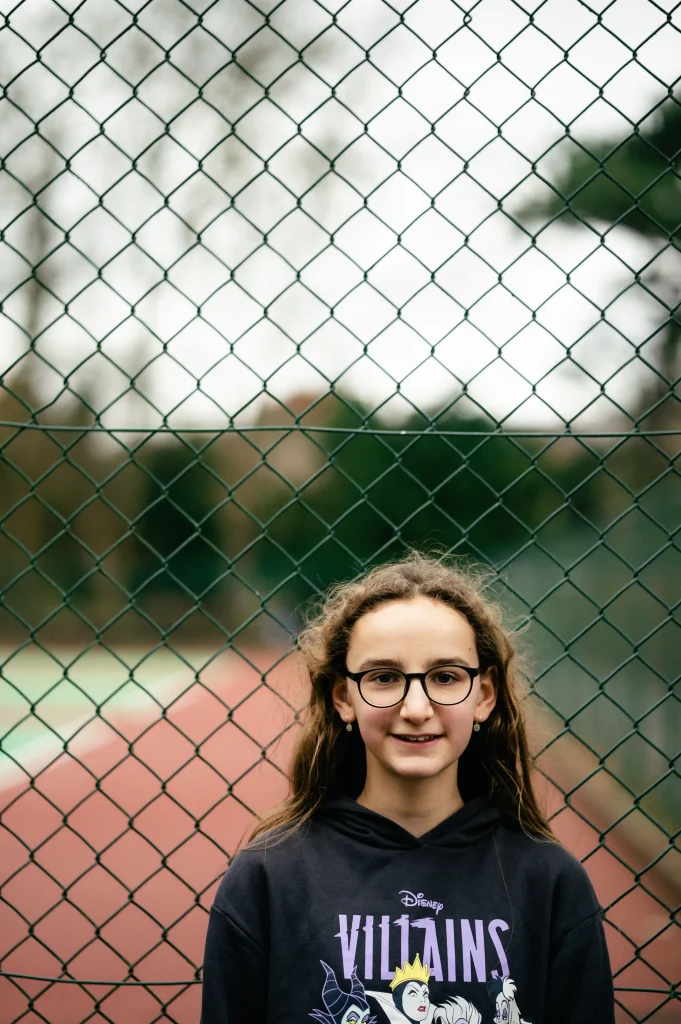
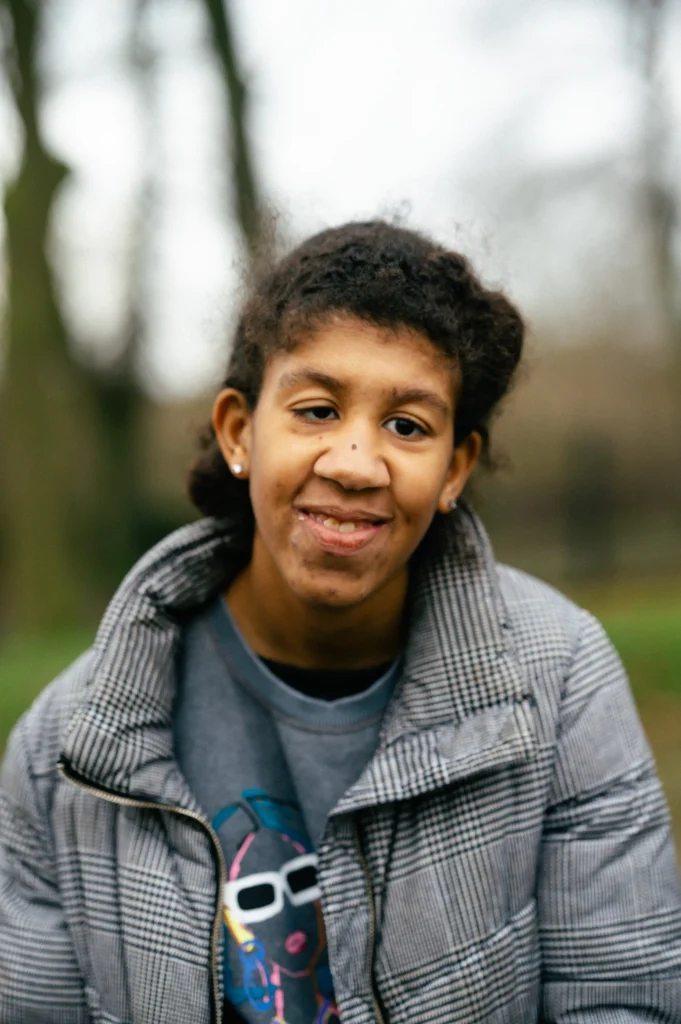
Photographer Bec Hudson Smith captured a series of striking portraits of the girls who took part. The images centre each participant as confident, thoughtful and present, challenging the idea that teenage girls are somehow out of place in parks.
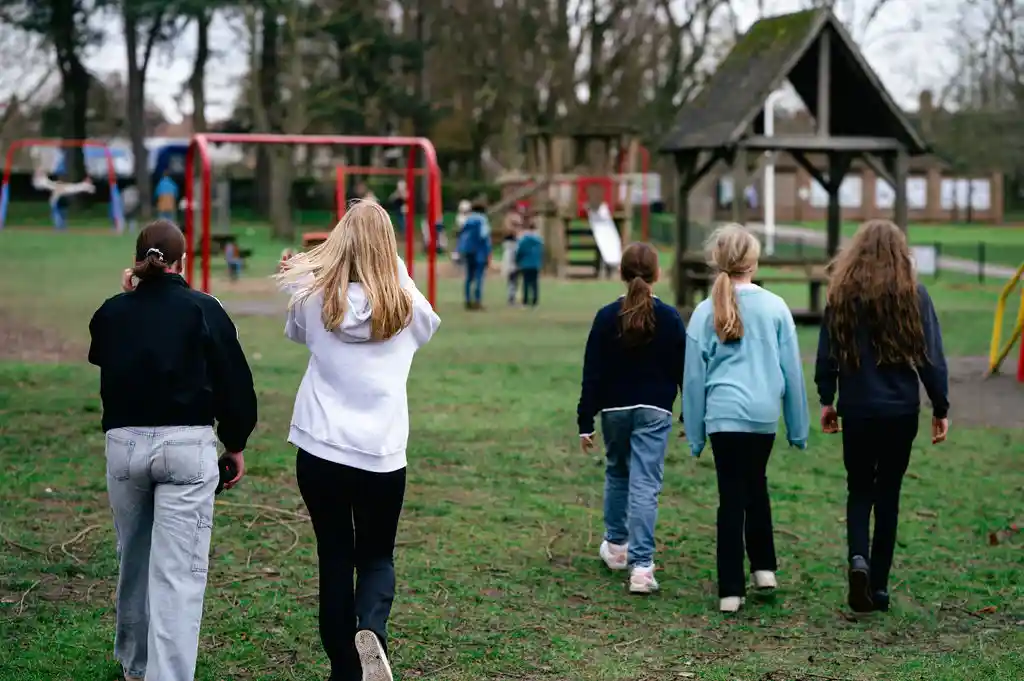
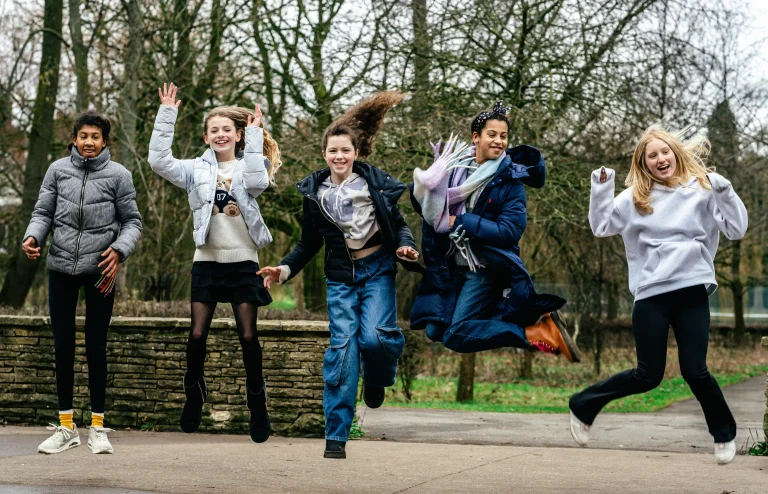
Alongside the portraits, the exhibition also included photographs of the girls at play. Swinging, climbing, sitting together, moving through space with ease and joy. These images show not only how girls use parks, but how they want to feel within them. Seen together, the portraits and play images tell a simple but powerful story. Girls belong in parks.

Across the conversations, some clear themes emerged. Many of the girls spoke confidently about where they enjoy spending time. Open spaces where they can see around them. Areas that feel calm. Swings, especially basket swings, were mentioned again and again. Climbing features were highly valued, as was the ability to move freely, go high, jump off and take small risks with friends. Nature also played an important role. Trees, lakes and quieter corners of the park helped some girls feel relaxed and at ease.
At the same time, many girls were able to clearly name areas they avoid. Basketball courts and skateparks came up repeatedly. These spaces were often described as crowded, dominated by boys or older teenagers, and intimidating.
What was striking was that the girls did not always have a clear explanation for why they felt uncomfortable. It was often described as a feeling rather than a single incident. Their perceptions of the spaces affected whether they wanted to use them. Addressing the perceived barriers is important and opening up the opportunities for more girls to use these spaces should they so wish. However, it’s also important to realise some girls (and boys) don’t want to skate or play basketball and there are alternative ways they could be encouraged to use parks and be ‘active’. Therefore it’s about balance – something currently lacking when councils and decision makers install facilities in parks ‘for teenagers’. These ‘teenage facilities’ currently have around 90% male users, so the question needs to be asked – what else could there be to encourage more older girls to use parks and benefit from the opportunities time spent in such spaces can bring?
At the same time, many girls were able to clearly name areas they avoid. Basketball courts and skateparks came up repeatedly. These spaces were often described as crowded, dominated by boys or older teenagers, and intimidating. What was striking was that the girls did not always have a clear explanation for why they felt uncomfortable. It was often described as a feeling rather than a single incident. Their perceptions of the spaces affected whether they wanted to use them.
Addressing the perceived barriers is important and opening up the opportunities for more girls to use these spaces should they so wish. However, it’s also important to realise some girls (and boys) don’t want to skate or play basketball and there are alternative ways they could be encouraged to use parks and be ‘active’. Therefore it’s about balance – something currently lacking when councils and decision makers install facilities in parks ‘for teenagers’. These ‘teenage facilities’ currently have around 90% male users, so the question needs to be asked – what else could there be to encourage more older girls to use parks and benefit from the opportunities time spent in such spaces can bring?
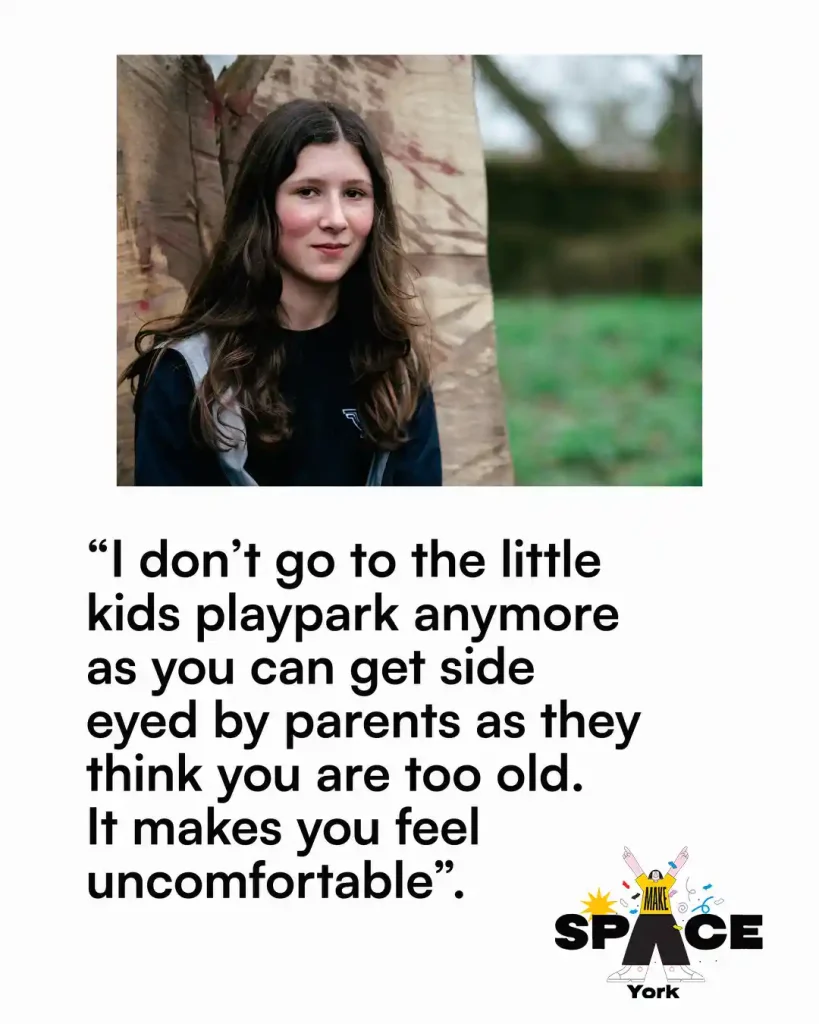
Several girls also spoke about the awkward space they occupy as they grow older. Too old for traditional play areas, but not welcomed elsewhere. Some described feeling judged if they used play equipment, especially when younger children were present, which led them to only visit certain areas when they were quiet or empty.

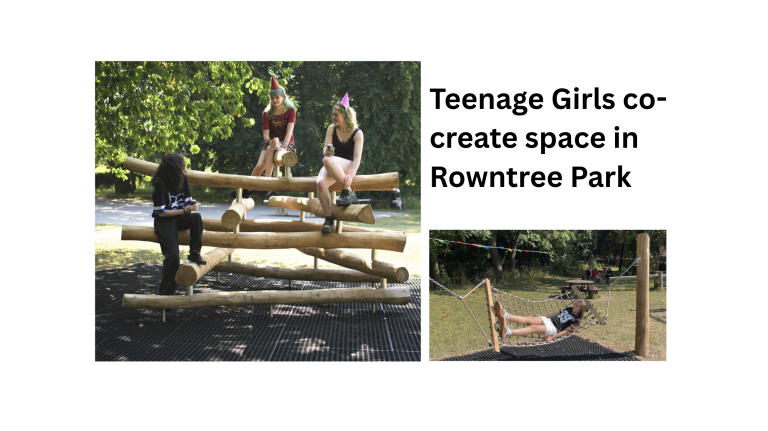
One girl shared how swings made her feel free. Another spoke about loving to climb trees because there was not enough climbing equipment designed for her age. Others talked about choosing where to go based on who else was there, quietly adjusting their behaviour to avoid feeling out of place. What came through strongly was not a lack of interest in parks, but a lack of choice. The girls were clear that they want places to sit together, to move, to climb, to talk, to swing and to exist without scrutiny.
Girls spoke positively about areas of the park that felt slightly separate from the main play space. Places where they could gather with friends without feeling watched or judged. Spaces that felt designed with them in mind, rather than tolerated. The Make Space project is about recognising these needs and responding to them. It asks a simple question. If parks were designed with teenage girls at the centre, how might they feel different?
Seen and Heard invites visitors not just to read the girls’ words, but to reflect on their own experiences of parks as teenagers. Where did you feel welcome. Where did you avoid. What did you need that was never provided. By making girls visible and listening to what they tell us, this project contributes to a wider conversation about equity, safety and belonging in public space. Parks are shared spaces, but they are not experienced equally. If teenage girls are telling us where they feel uncomfortable, and what would help them feel they belong, we have a responsibility to listen and help make change happen.




Interviews and words – Abigail Gaines
https://www.instagram.com/makespaceyork/
Photography – Bec Hudson Smith
https://www.instagram.com/bechudsonsmith
https://becsmithphoto.com/
More photography linked to the project on teenage girls and parks can be seen in the post ‘Teenage Play Matters’.

One Comment
Comments are closed.