Teenage Play Matters
The Teenage Play Matters photography project explores a simple but often overlooked truth. Teenage play matters.
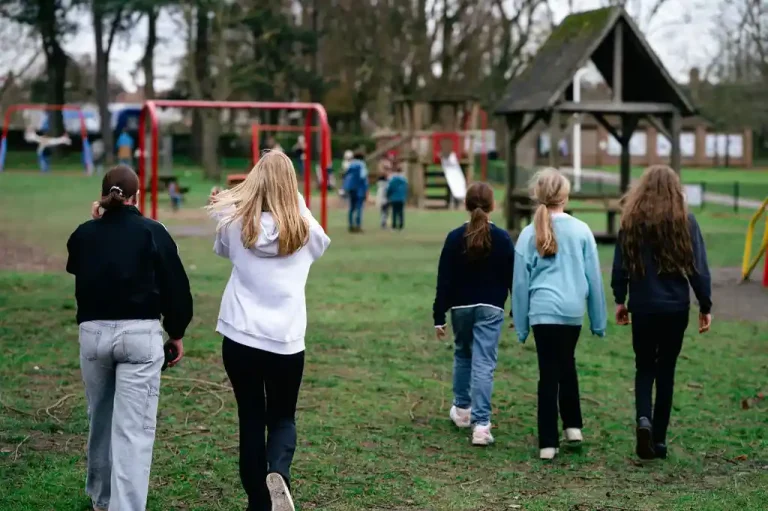
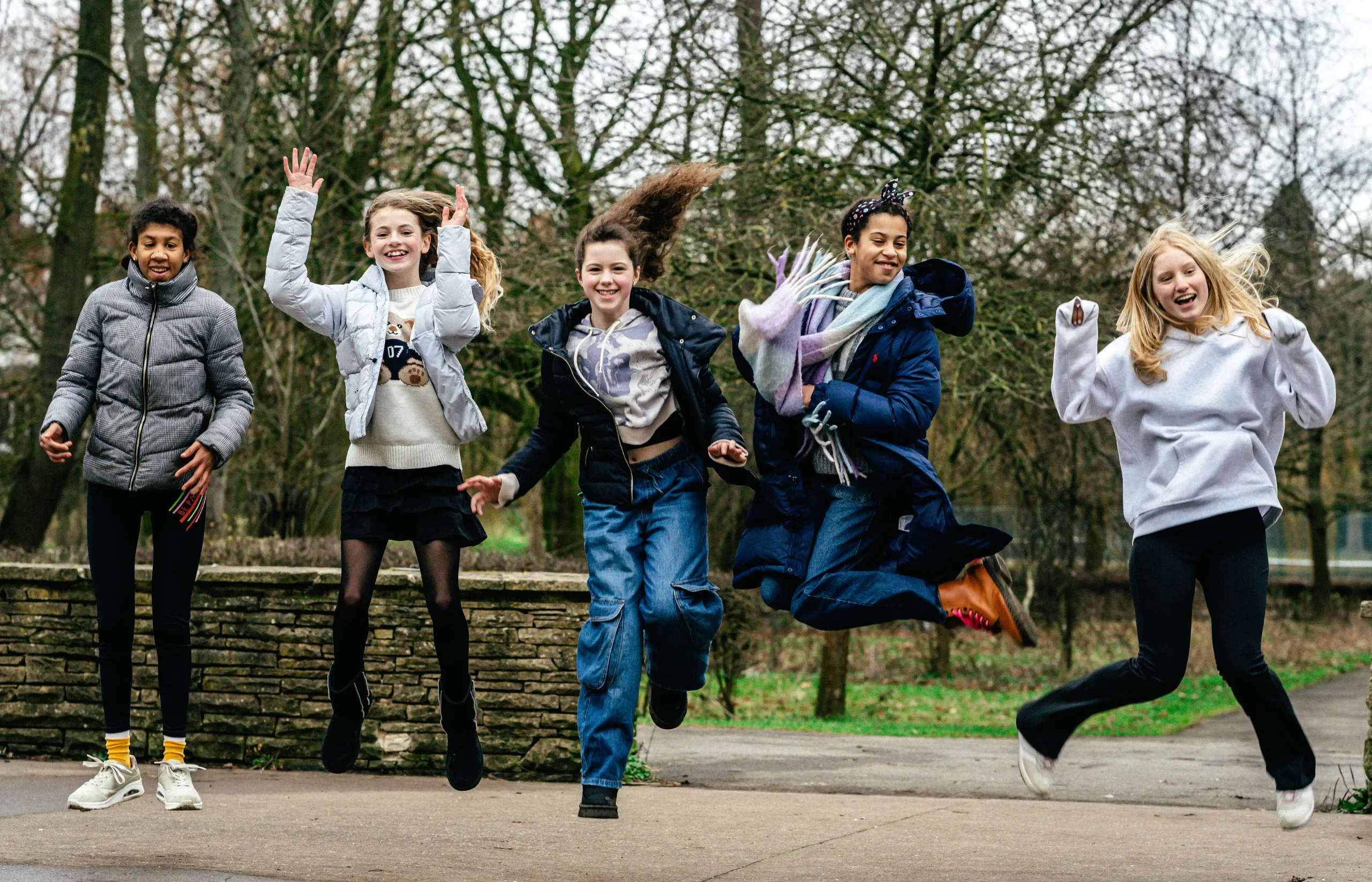
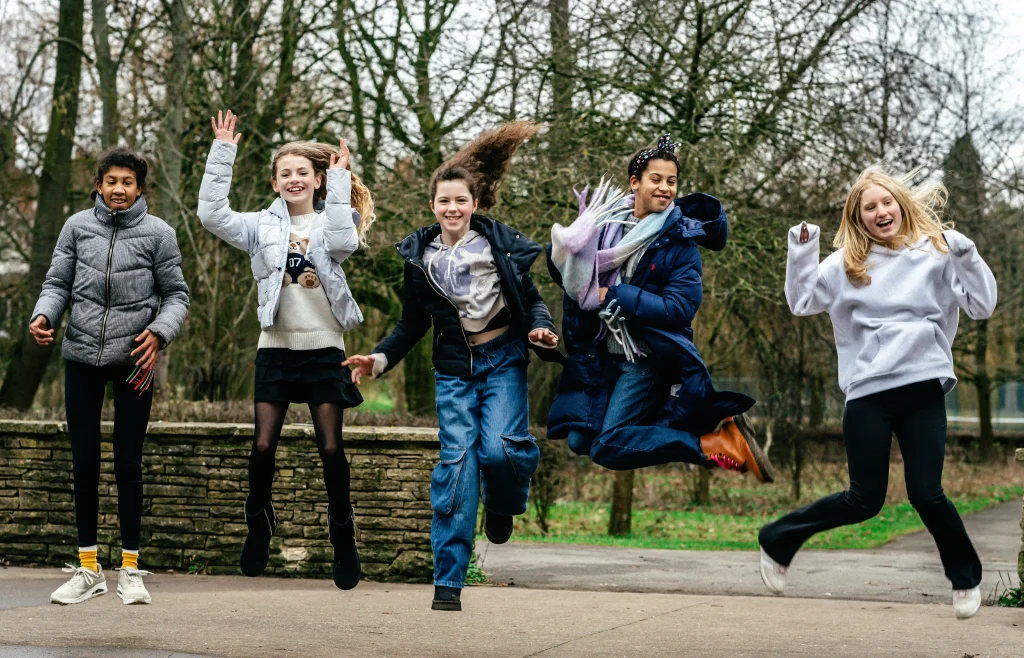
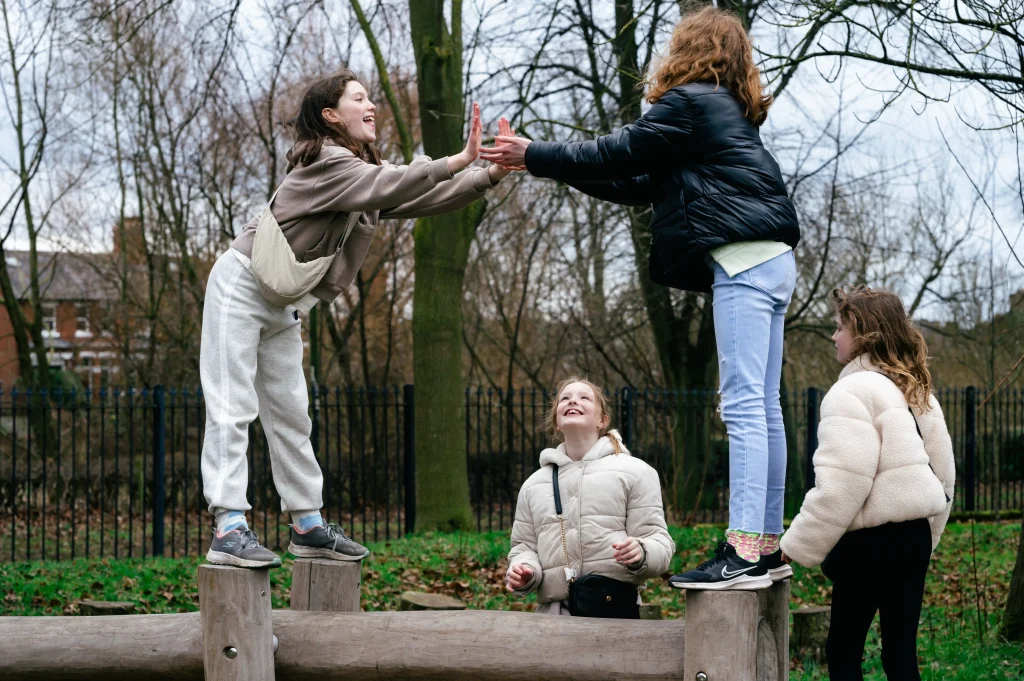
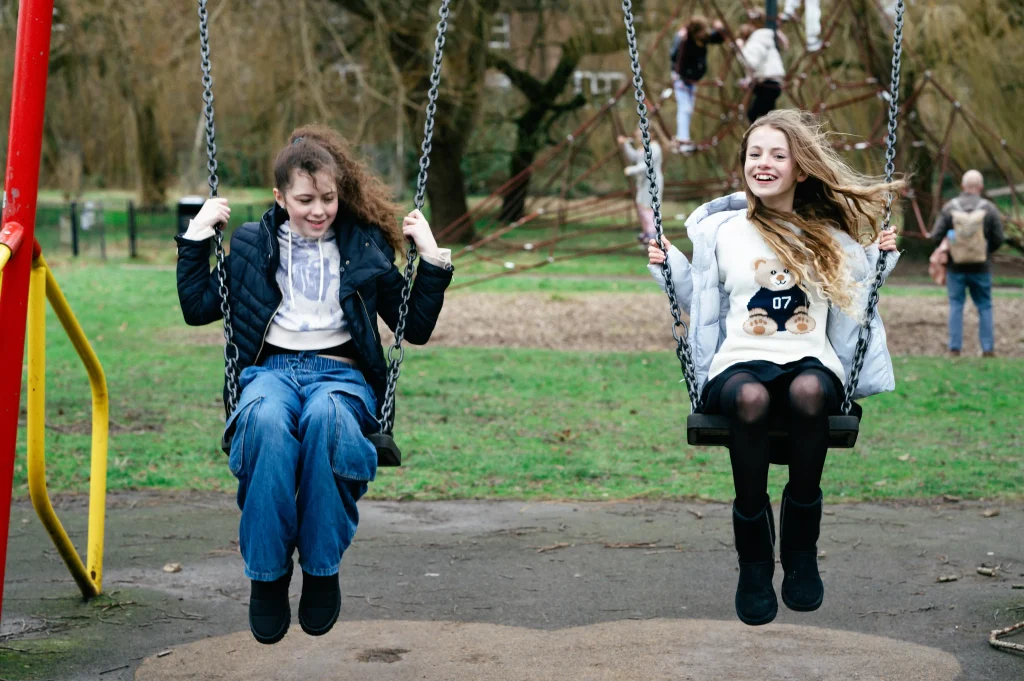
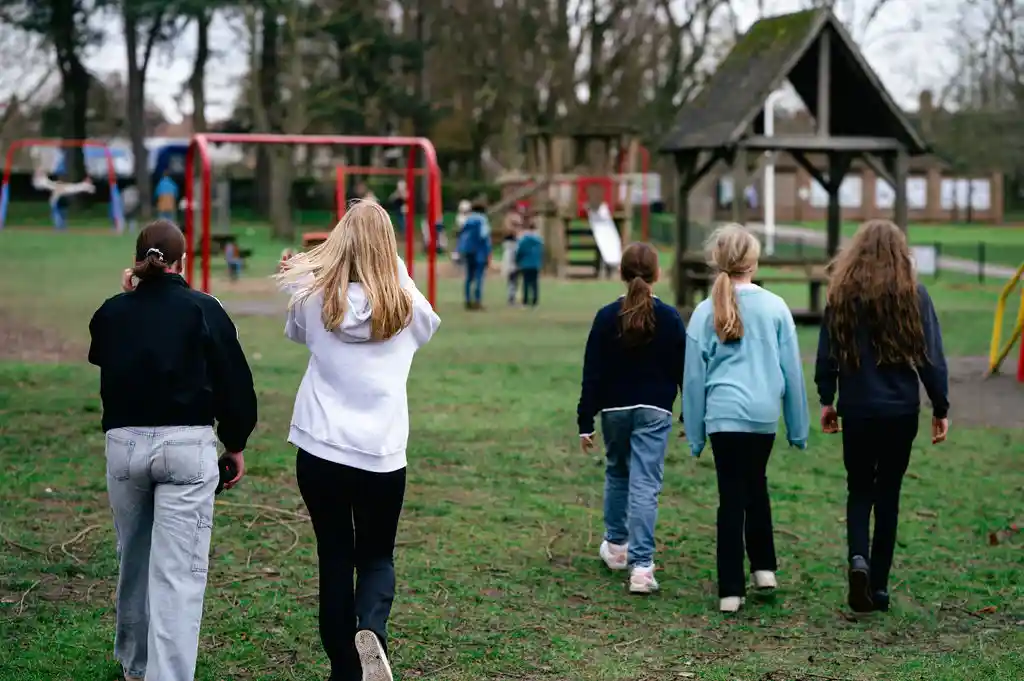
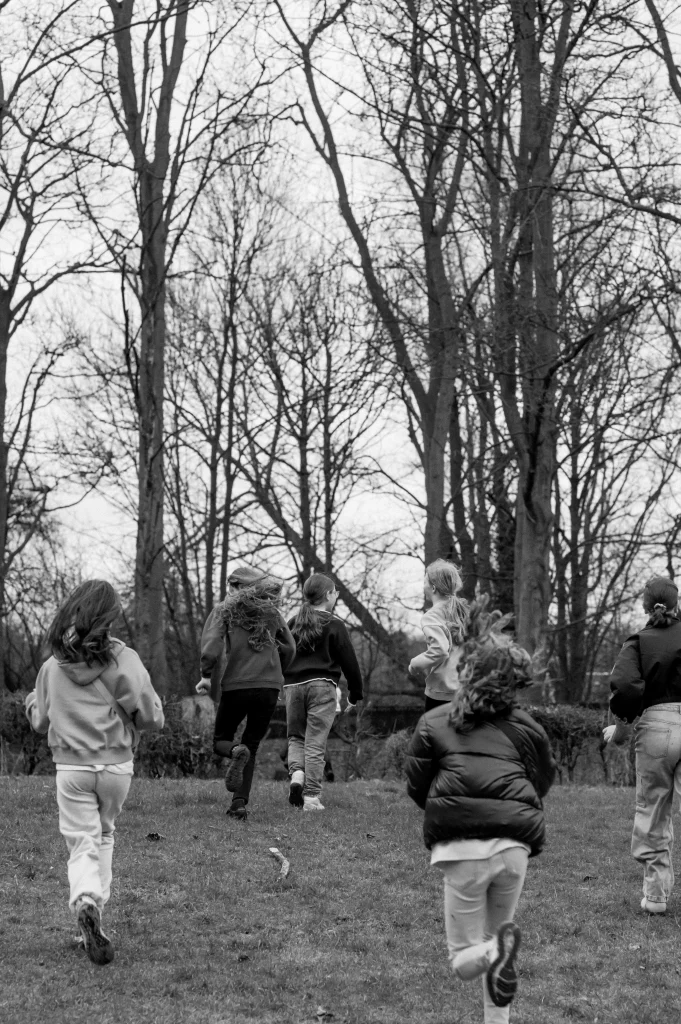
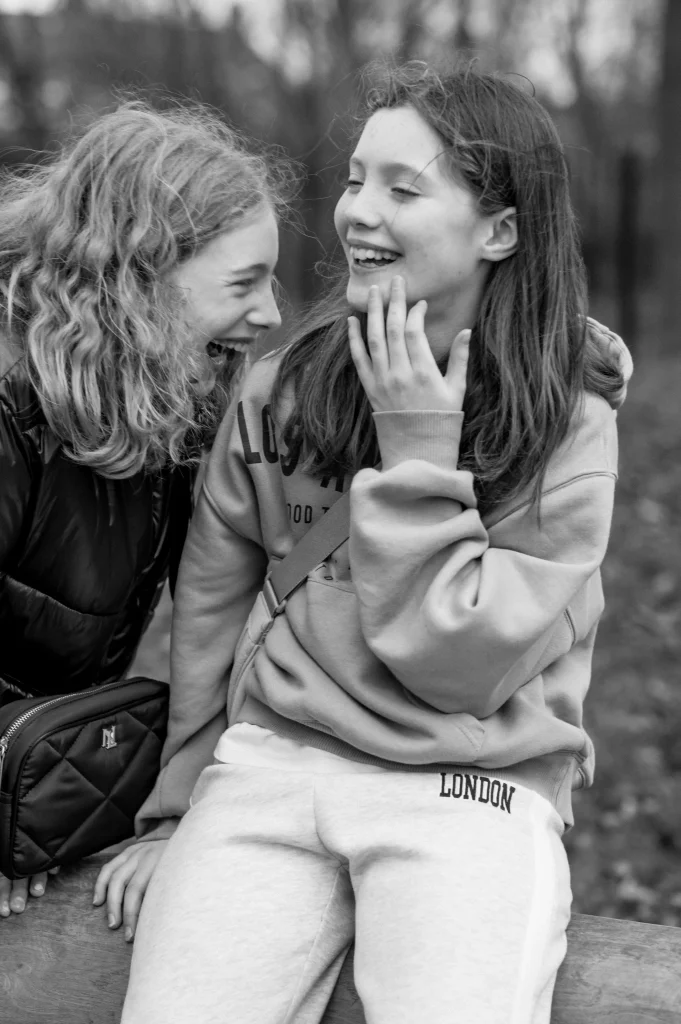
The photographs show pre teen and teenage girls enjoying themselves in parks. Playing on equipment often labelled as being for younger children. Swinging. Climbing. Laughing. Taking up space together. When given the time, the space and the permission to play, this is what many girls choose to do. Play does not disappear as children grow older. It simply changes.
Teenage play may not look like the play we associate with younger children, but it is just as important. It can be social. It can be energetic. It can be noisy. It can involve hanging out, testing limits, moving bodies, and being together.
Parks are free, shared spaces where teenagers should feel welcome. Spaces where their presence is encouraged, not merely tolerated. Teenagers may look older than they are. They may take up space differently. But they are still children, and knowing they have a right to be in parks matters. Being able to meet friends, to be active, to move and play without judgement is part of healthy adolescence.

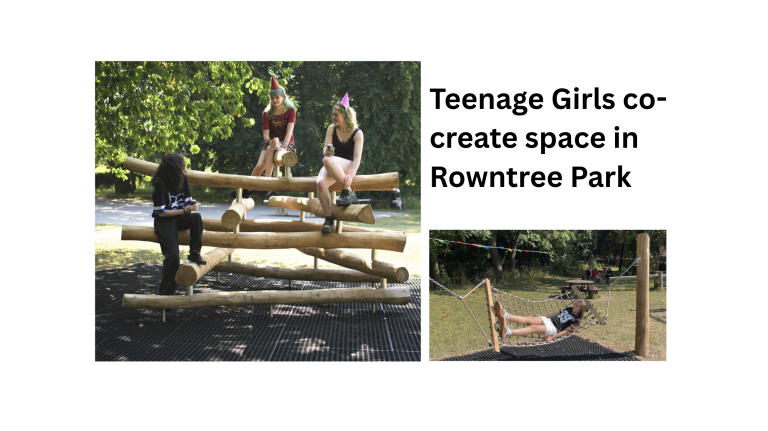
Photographs by Bec Hudson Smith taken in Rowntree Park in York capture moments of joy, freedom and connection. The images show girls using equipment creatively and confidently. They challenge assumptions about who play spaces are for and who belongs in parks. These photographs ask us to reflect on what happens when teenagers are allowed to play without being told they are too old, too loud or in the wrong place.
Despite their importance, parks are not a statutory duty for councils. As a result, many parks are underfunded and falling into disrepair. Between 2011 and 2023, annual park budgets in England fell by more than £350 million. Spending on play facilities across England dropped by 44 percent between 2017 and 2021, with significant differences between regions.
At the same time, we have seen a rise in the privatisation of play. Activities such as climbing walls, trampoline parks and adventure centres are increasingly pay to play. These facilities can be brilliant and there is clear demand for them, but this shift increases inequality. Access to movement, play and social connection becomes dependent on affordability. Free, local parks matter more than ever.
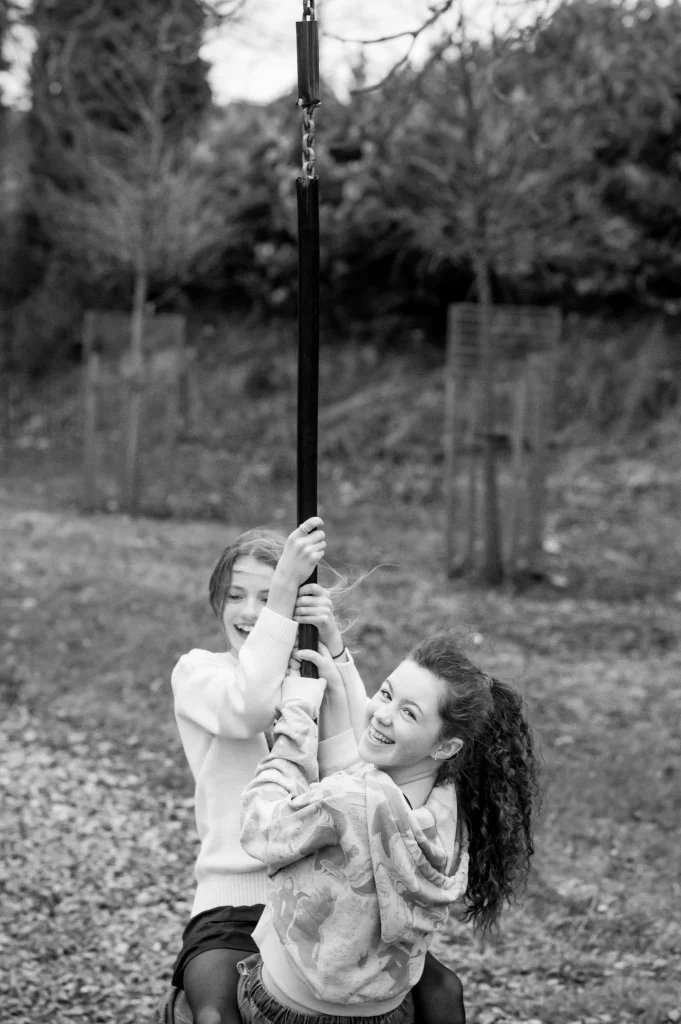


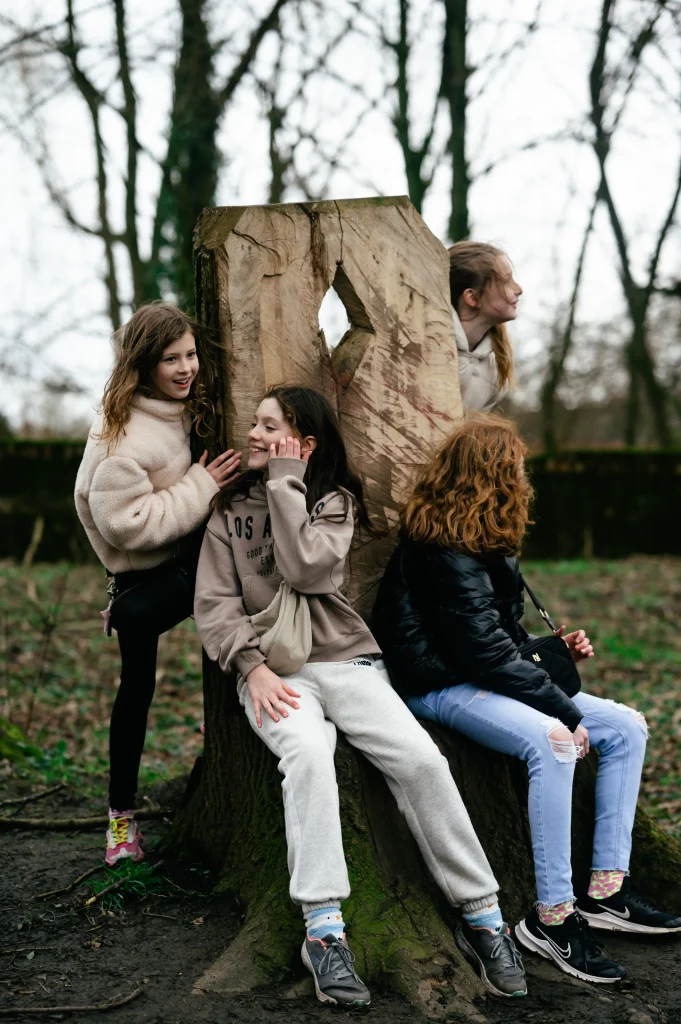


For teenagers, the challenge goes further. While parks often include facilities aimed at young people, these are frequently sports focused. Around 90 percent of these spaces are used by boys. This leaves many girls and other teenagers excluded, not because they do not want to be active, but because the spaces do not work for them. The answer is not to create separate areas for boys and girls. We need to address the barriers that lead to unequal use of space, while also questioning assumptions about what teenage provision should look like. Teenagers are not a single group. Their needs, interests and ways of using space are diverse.
If we want parks to be used by more young people, we need to start by asking them what they want. Designing spaces that invite a wide range of teenagers to play, move, socialise and belong benefits everyone. Teenage Play Matters is a reminder that play does not end in childhood, and that parks should be places where all young people feel they are allowed to be themselves.
When we give teenagers space, permission and trust, they show us exactly how much play still matters.

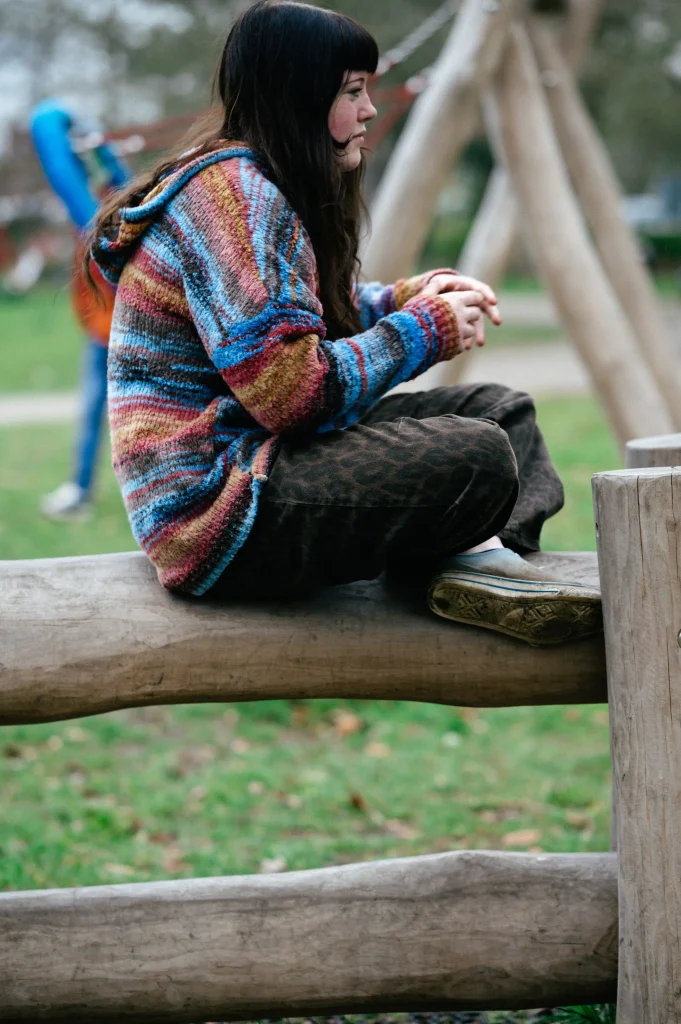
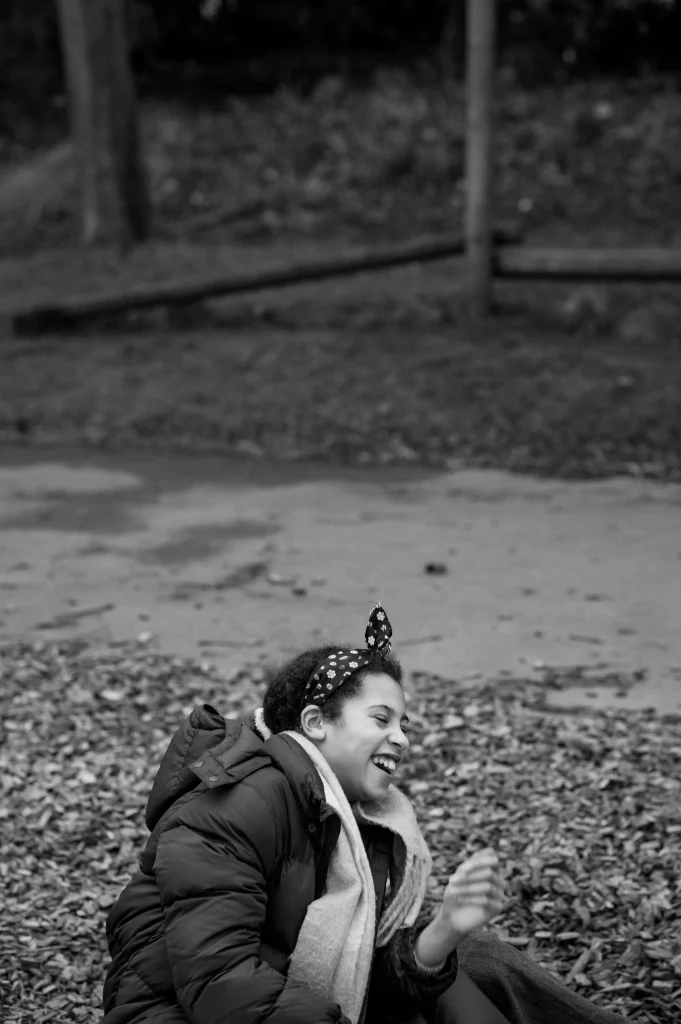

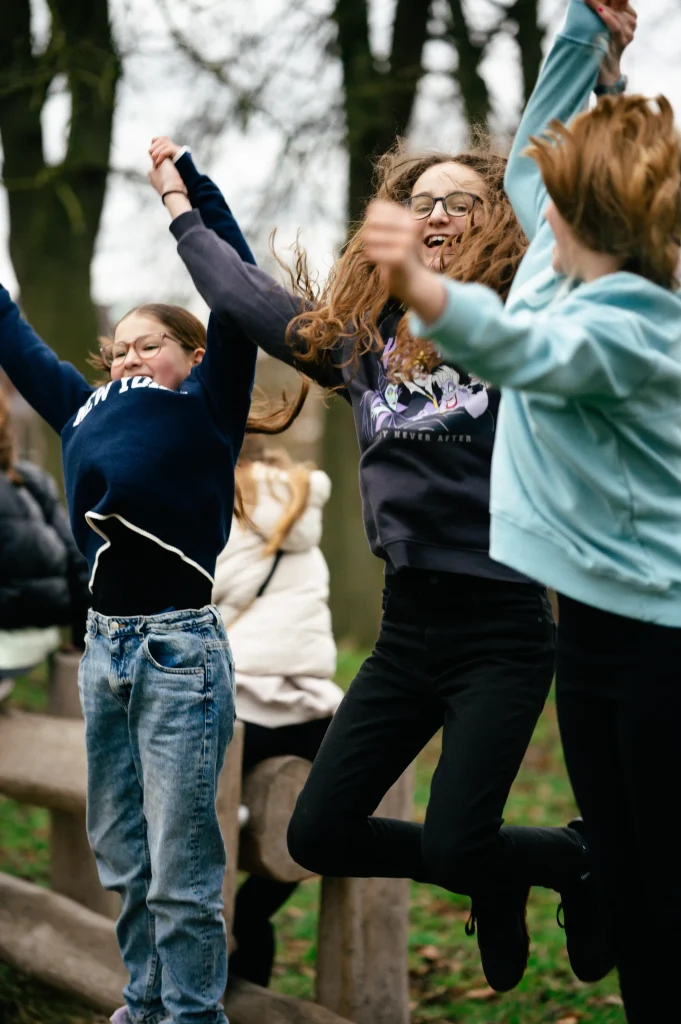
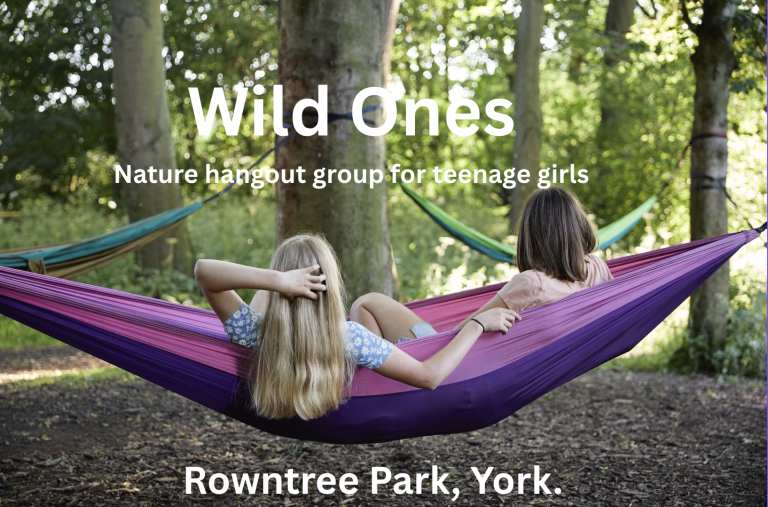
Location: Rowntree Park, York.
Words – Abigail Gaines
https://www.instagram.com/makespaceyork/
Photography – Bec Hudson Smith
https://www.instagram.com/bechudsonsmith
https://becsmithphoto.com/
Seen & Heard -teenage girls and parks features striking portraits of the girls featured in this post, along with their views on parks. Read more on the blog below: