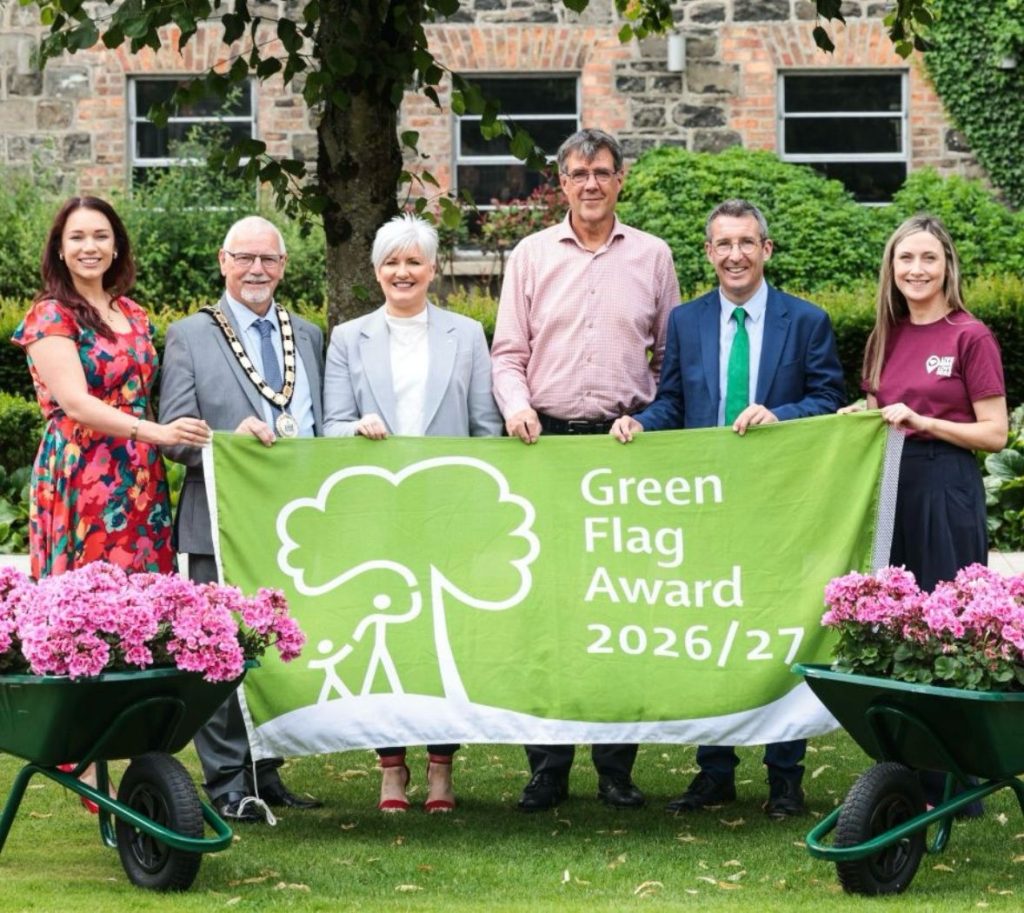
Making parks safer for women and girls – Green Flag Award Key Speaker
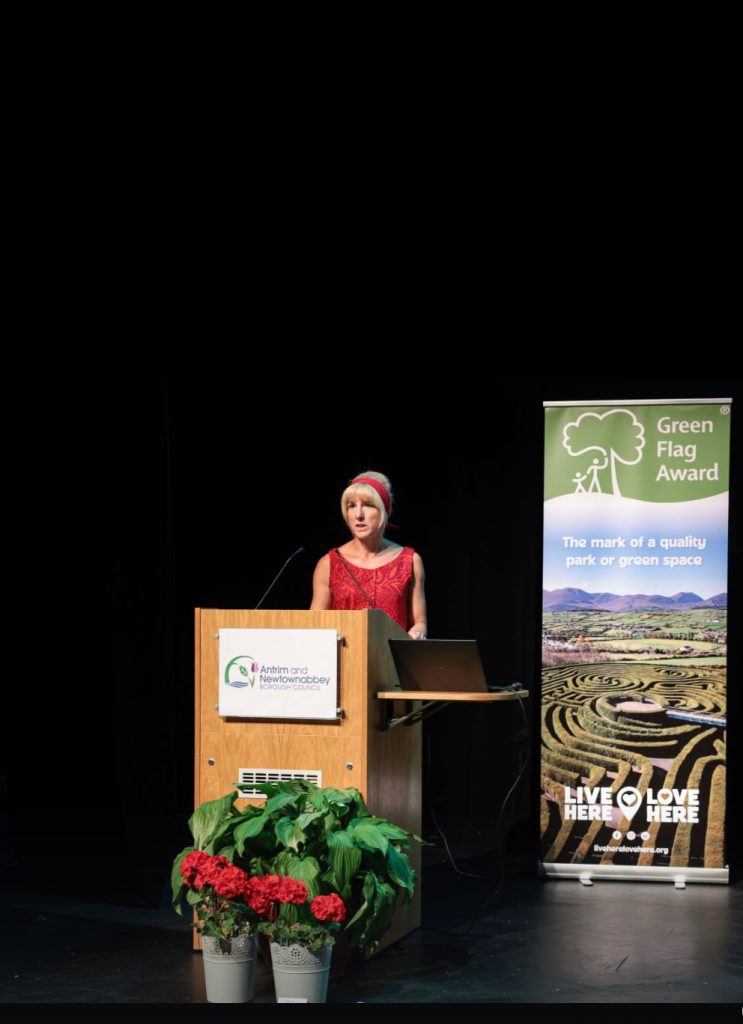
I recently had the privilege of delivering the keynote talk at the Northern Ireland Green Flag Awards for Parks and Open Spaces, organised by Live Here Love Here. The theme for the day was Making Parks Safer for Women and Girls, and I was invited to share the story and learning from the Make Space York project.
It was particularly valuable to hear from Junior Minister Joanne Bunting from the Northern Ireland Executive Office, which leads the Strategy to End Violence Against Women and Girls. She spoke about the importance of ensuring women and girls can feel safe and welcome in our parks and public spaces, and the role these spaces have within the wider strategy.
What does a safer park actually mean?
This was an important theme within my own talk. Creating safer parks isn’t only about reducing crime or responding to incidents. It is also about understanding how a space feels and whether women and girls feel confident and comfortable enough to actually use it.
Do I feel welcome here?
Can I see and be seen?
Does this feel isolated?
Who else occupies the space?
Do I feel watched or judged?
Are there facilities I can comfortably use?
And, perhaps most importantly, do I feel I have every right to be here?
These questions can have a significant influence on whether girls choose to use a park at all.
Learning from Make Space York
I shared the story of Make Space York and how listening directly to teenage girls has helped shape changes in Rowntree Park so girls feel more welcome, more confident and that they belong.
The project began by recognising an inequality which can easily go unnoticed: as girls enter their teenage years, their use of parks drops compared with boys. Since 2021, we’ve been talking directly to girls about why that happens and what could make a difference.
The answers haven’t simply been about equipment. Girls have talked about visibility and location, toilets, who else occupies spaces, opportunities to sit and socialise, informal play and movement, feeling judged, and having somewhere they feel they have permission to spend time.
Those conversations have led to physical changes in Rowntree Park, but also events, activities and creative projects which give girls reasons to occupy the park, build familiarity with it and see themselves represented within it.
At its heart, the project has been about recognising unequal access to public space, challenging some of the structural inequalities in how parks have traditionally been planned and used, and demonstrating that when girls are genuinely listened to, their ideas can lead to meaningful change.
Safety and belonging are connected
One of the things we’ve learned through Make Space York is how closely safety and belonging are connected. A park can be statistically safe and still contain spaces that some people don’t feel comfortable entering or occupying.
Equally, making somewhere feel safer isn’t necessarily about adding security measures. Sometimes it can mean better visibility, somewhere to sit, more positive activity, thoughtful planting, good toilets, involving people in shaping a space or simply creating clearer signals that they are welcome there.
That’s why engagement matters. We need to understand people’s lived experience of a space, not simply look at it on a plan.
A growing conversation
Throughout the day I had the opportunity to speak with council officers, mayors, park managers and community organisations from across Northern Ireland, all doing great things in their own communities.
It was fantastic to hear that making parks safer for women and girls is firmly on the agenda and to hear about the work already taking place.
A huge thank you to Antrim and Newtownabbey Borough Council for hosting such a welcoming event, particularly Nadine Campbell and the team. Thank you also to everyone at Live Here Love Here, and to Claire Irwin for inviting me to be part of the day.
And congratulations to all of the Green Flag Award winners and everyone recognised for the incredible work they are doing to care for parks and green spaces across Northern Ireland.
It is exciting to see conversations about safer, more inclusive parks for women and girls happening across the UK. Hopefully, we’re moving towards a point where asking who feels safe, welcome and able to belong in our public spaces becomes a routine part of how we plan, design and manage them.