Making Space at the Skatepark
Listening, Learning and Trying Something Different
How can we make an existing skatepark more welcoming to a wider range of people?
In 2026, Make Space York explored who uses Rowntree Park skatepark, how different people experience it and what might encourage more people, particularly girls and beginners, to feel comfortable using the space.
Through observations, a community survey and conversations with existing users and other park visitors, we’ve gathered some interesting findings. This blog shares what we learned, why we started looking at the skatepark and the changes we’re now trying in response.
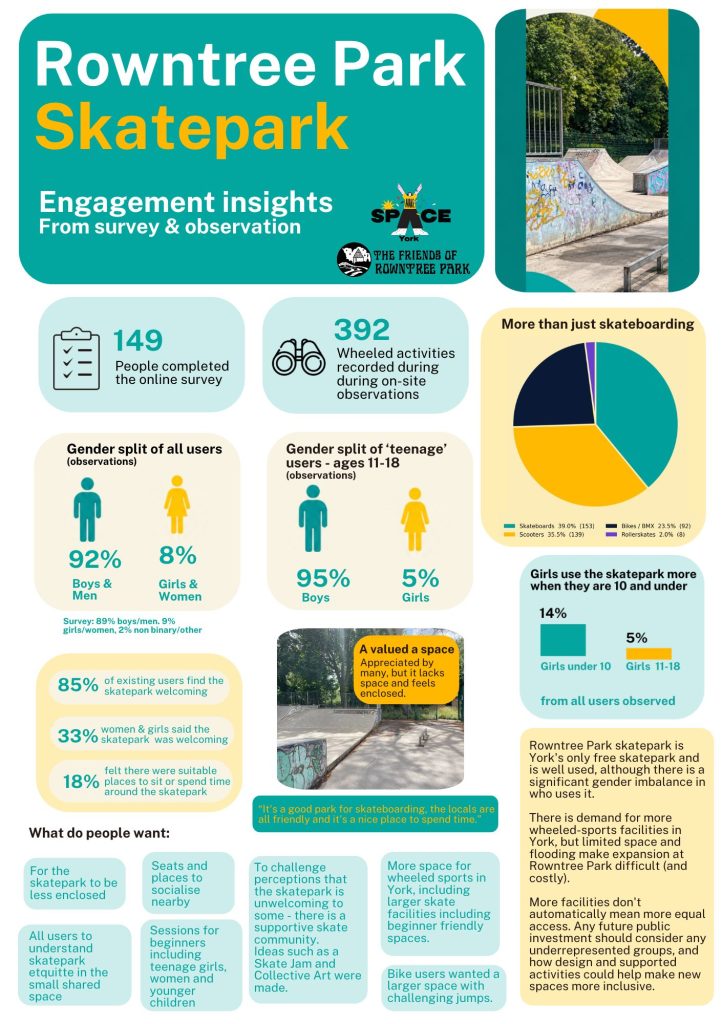
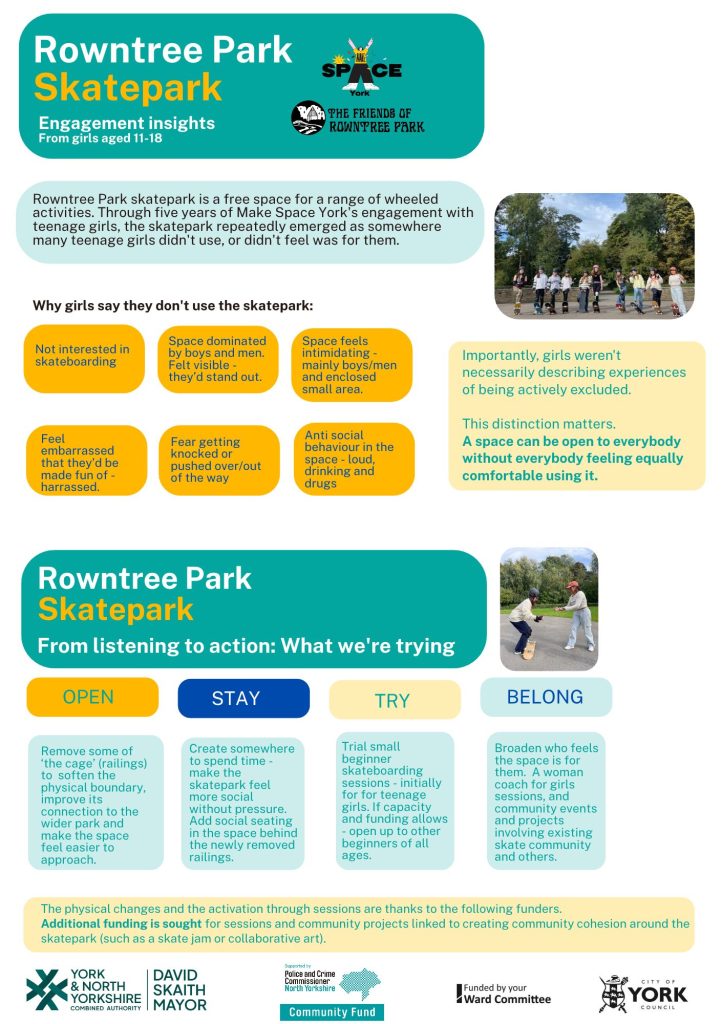
You can explore the key findings in our two-page summary below or download here – with a more detailed research report to follow.
How did things get here?
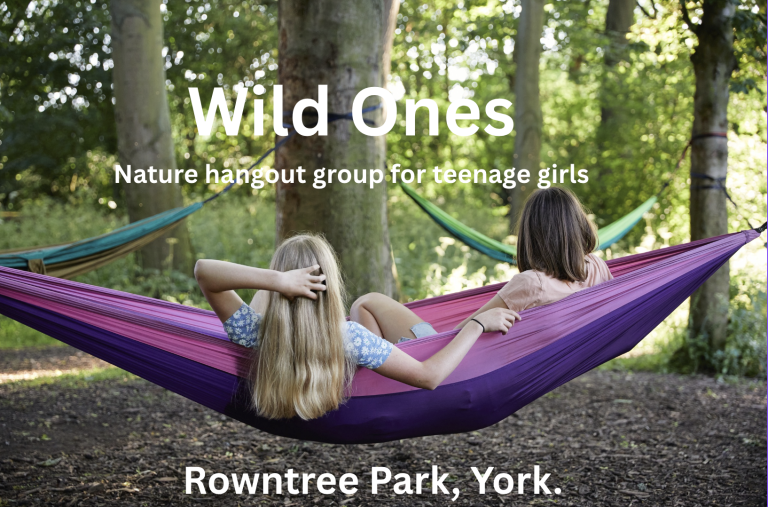
For the past five years, Make Space York has been working with teenage girls to understand how they use parks and public spaces, where they feel comfortable, what they avoid and what they’d like to see. Working alongside Friends of Rowntree Park, this has led to a co-designed teenage play and social area, the annual Make Space Festival and activities throughout the year, all made possible through grants and sponsorship. But alongside creating new spaces, we’ve also been interested in how existing facilities can work better for more people.
Why the skatepark?
Rowntree Park has a basketball court and skatepark, both free and valued facilities, but both used predominantly by boys and men.

Through connections with local basketball club coach, the project has been able to offering sessions for girls at the Make Space Festival in June over the last few years, helping more people build confidence and use the courts. More recently, attention turned to the skatepark. During our wider engagement with teenage girls, the skatepark repeatedly came up as somewhere many didn’t use or didn’t feel was for them. I wanted to understand why, while also listening to the people who already use and value the space.
Findings
During summer 2026, volunteers carried out 48 observation periods at the skatepark at set times of each day, recording 403 user observations. We also surveyed 149 people, including existing skatepark users, parents/carers, beginners and other park visitors. In addition, there was existing evidence from teenage girls gathered over the years on their use and views of the skatepark. Observations found that 92% of skatepark users were boys or men, rising to 95% among teenagers aged 11-18.
But the research also revealed something important about how people experience the same space differently. Existing users generally described a friendly, supportive skate community. Many felt safe, welcome and comfortable using the skatepark. Others, particularly girls and less-confident beginners, described feeling intimidated, worried about getting in the way or uncomfortable entering when more experienced users were already there. This doesn’t necessarily mean anyone is deliberately excluding them. A space can be open to everybody without everybody feeling equally comfortable using it.
We also heard plenty of practical suggestions, including better seating, a more open and connected space, beginner-friendly opportunities and more wheeled-sports facilities across York. Many skaters wanted addtions to this skatepark but due to the lack of space available – additions to the skatepark are unlikely – though temporary additions to other areas could be an option with funding.
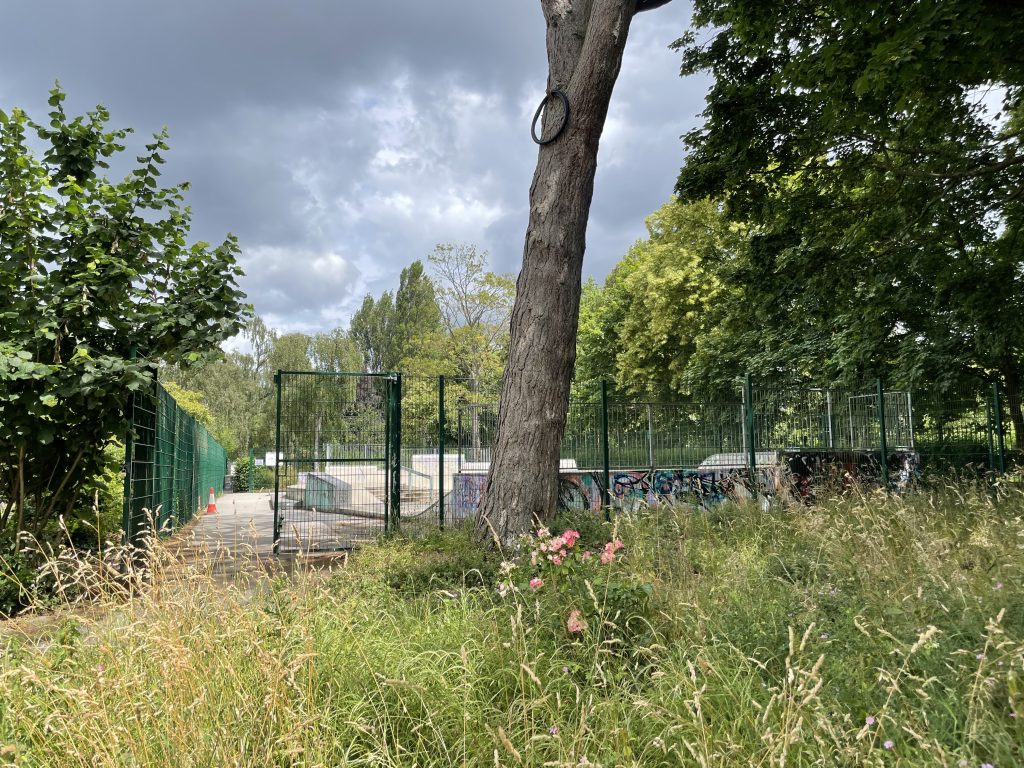
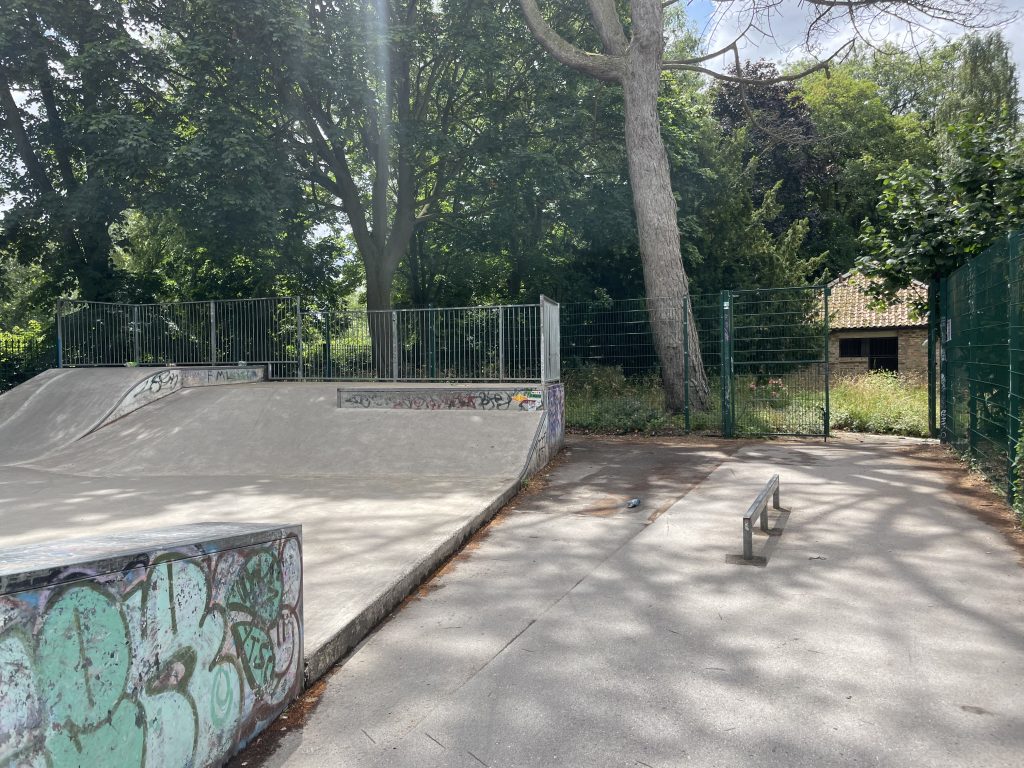
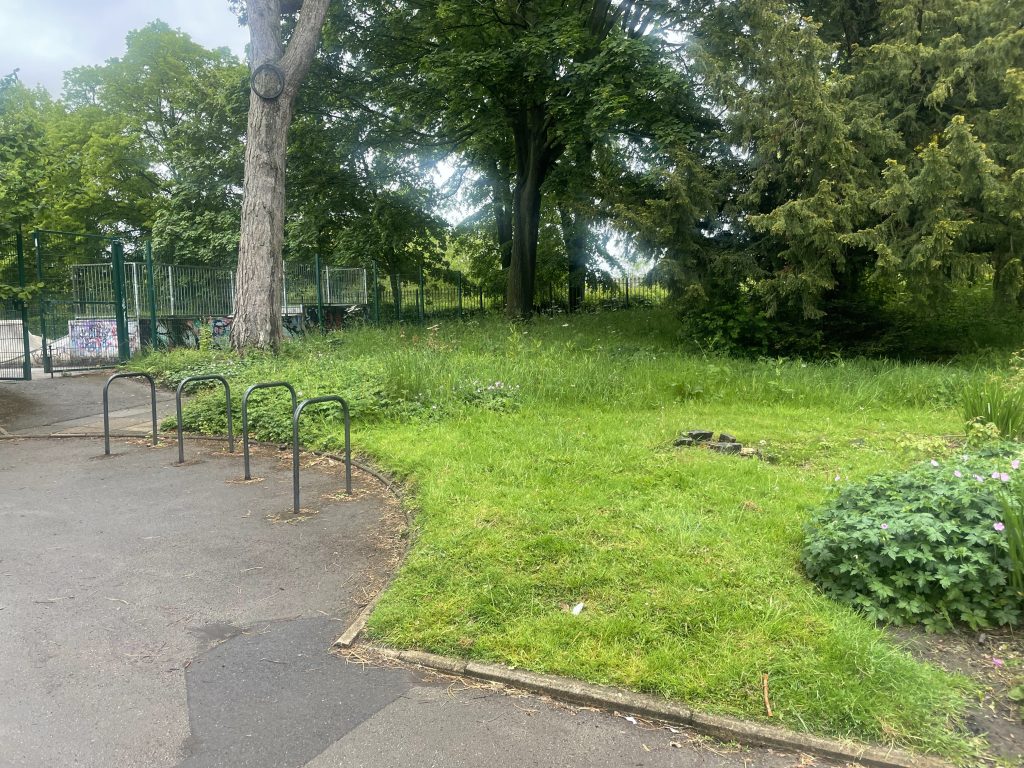
Photos showing the railings (known as ‘the cage’) and the grass space behind one of the gates – the only possible room for a social seating area.
From listening to action: Try
This isn’t about a complete redesign of an existing public skatepark, it’s more focused on we’re exploring whether some relatively small physical and social changes can make a difference.
OPEN: Removing part of the railings to make the skatepark feel less enclosed and better connected to the wider park.
STAY: Creating a new seating and social area alongside the skatepark, giving people somewhere to watch, meet friends or simply spend time without having to participate.
TRY: Offering small-group beginner skateboarding sessions with a female coach, initially for girls, to help build skills and confidence in a supportive environment.
BELONG: Exploring opportunities to bring people together, celebrate the existing skate community and help more people feel that the space is for them. Ideas include community skate events and collaborative creative projects.
These changes build on conversations with the local community, including existing skatepark users, and have been made possible through grant funding and local support.
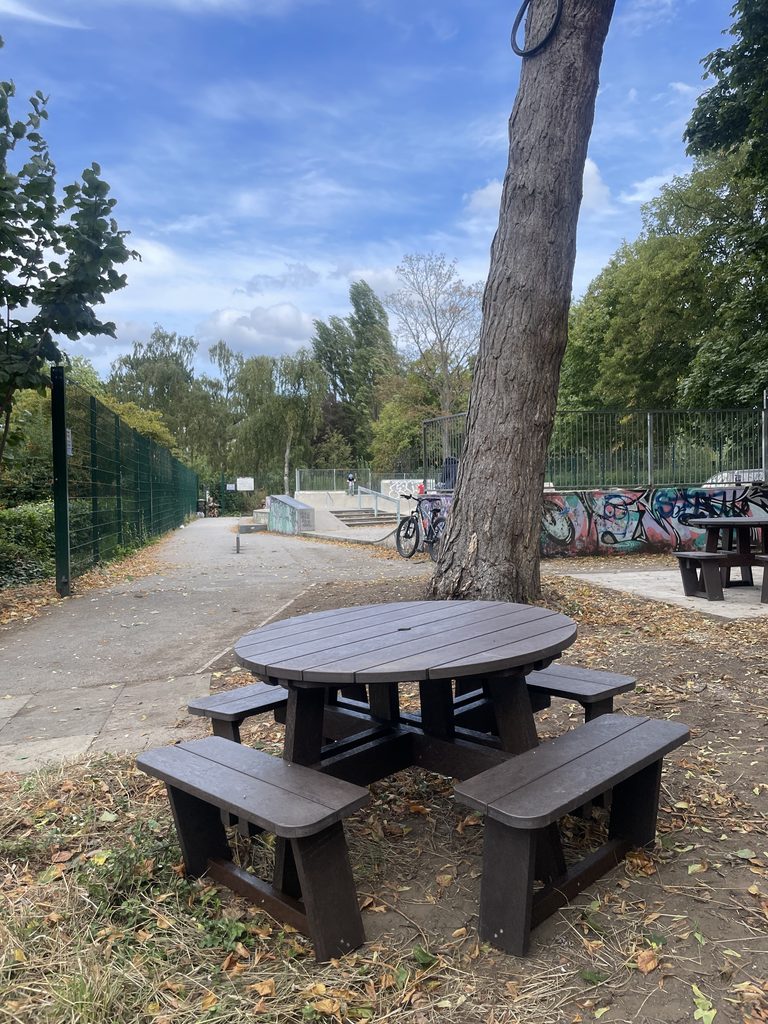
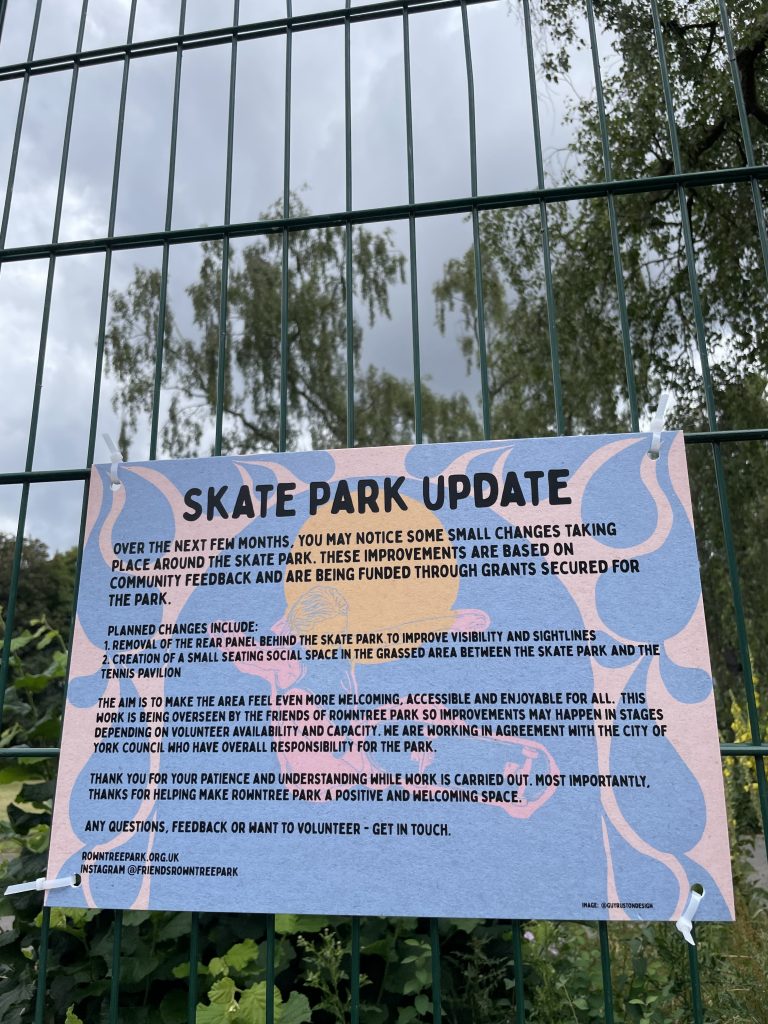
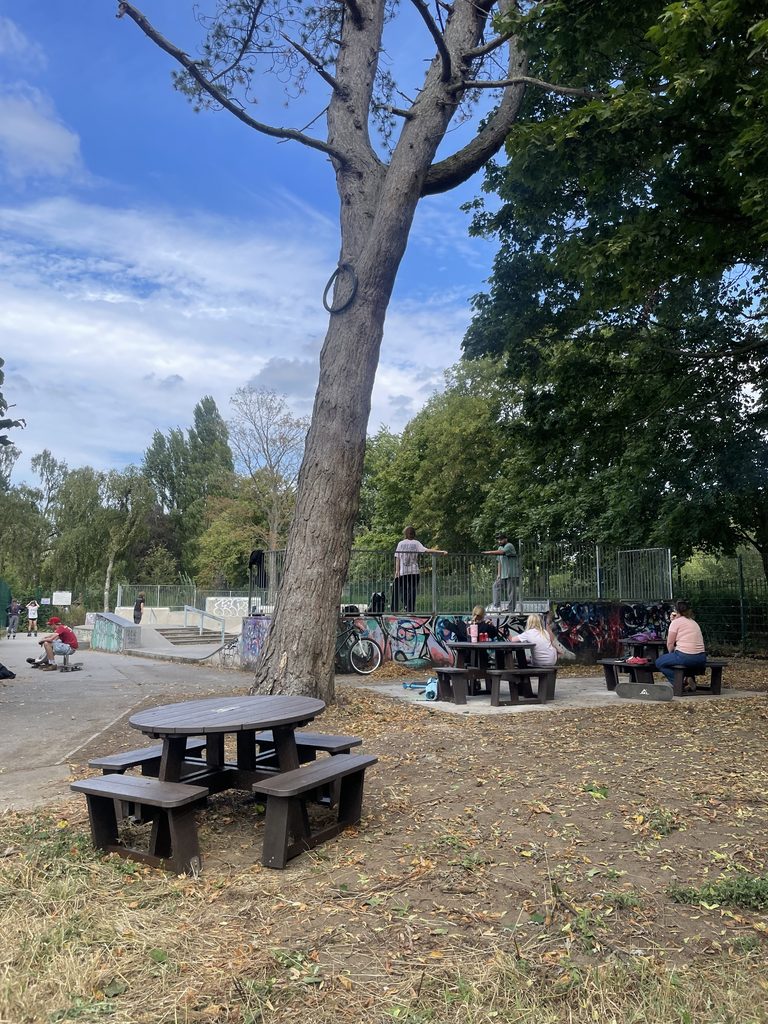
Photos showing the back railings removed and paving added costing around £9k and seating area added into the previously unused areas. As a park that floods, three recycled plastic picnic benched and fitting costs around £3400.
What happens next?
The changes and inteventions will be monitored over the next couple of years and engagement will continue. This is about listening, trying something different and learning what works.
There are also wider questions for York about the future of wheeled-sports provision. Many existing users of Rowntree Park skatepark want more facilities, but we can’t assume a space is gender-neutral simply because it’s open to everyone. Design, location and supported activities all influence who feels able to use it.
Ultimately, this project isn’t about taking space away from anyone. It’s about recognising what already works, understanding why some people don’t currently participate and exploring whether we can make room for more.
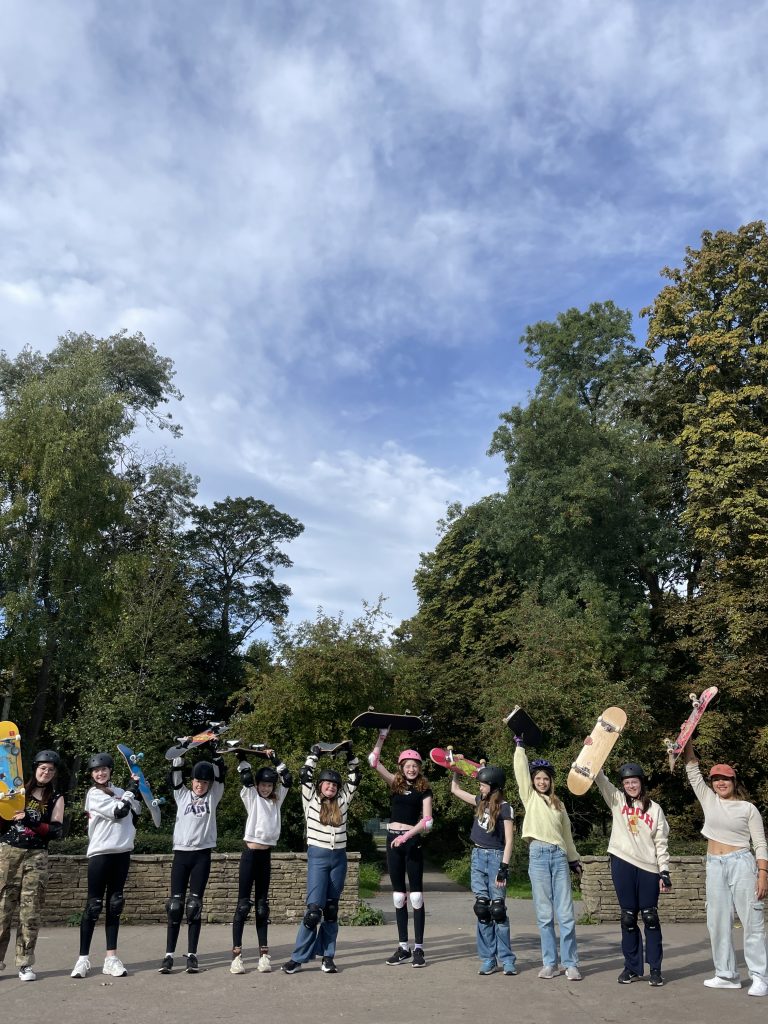
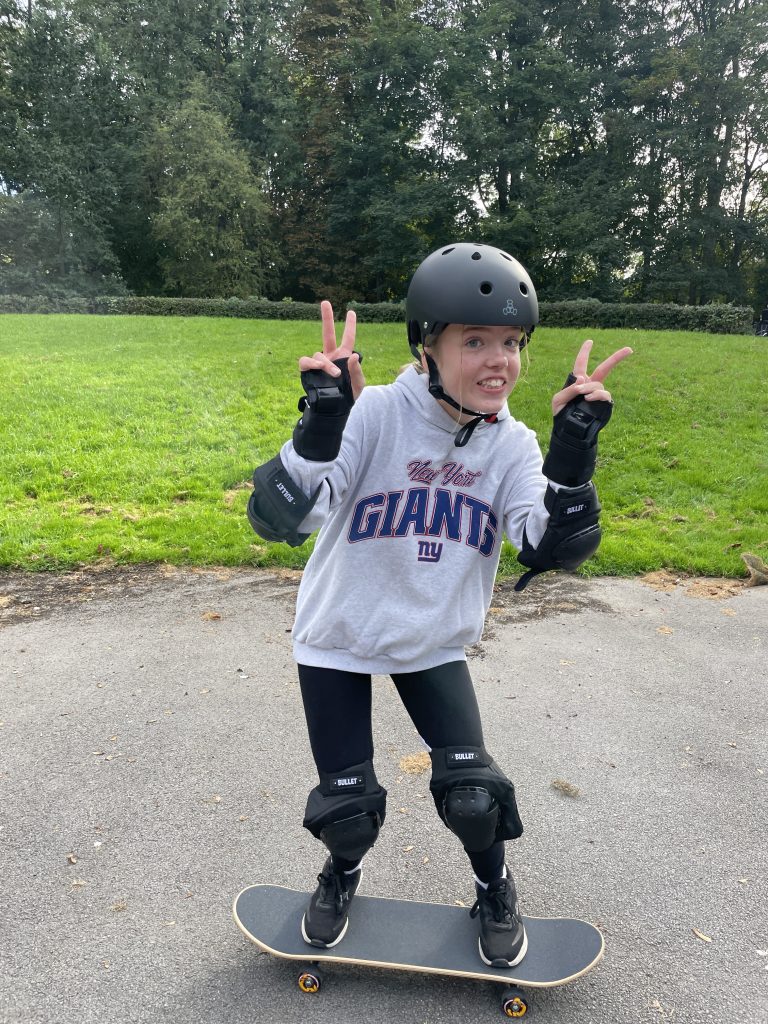
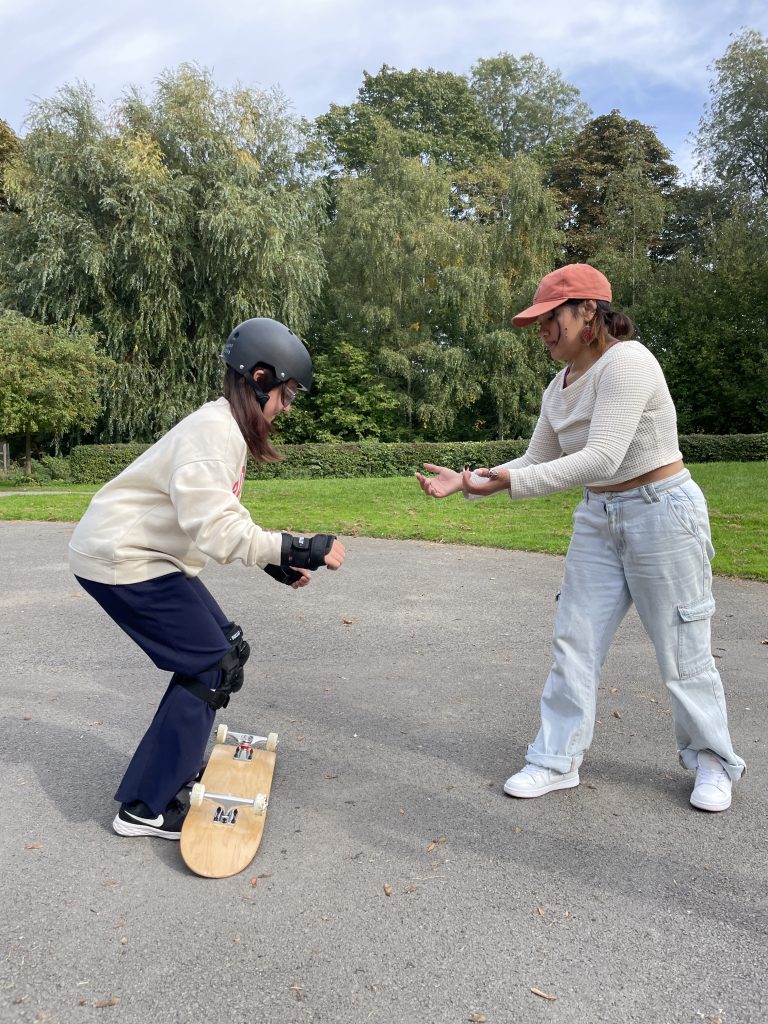
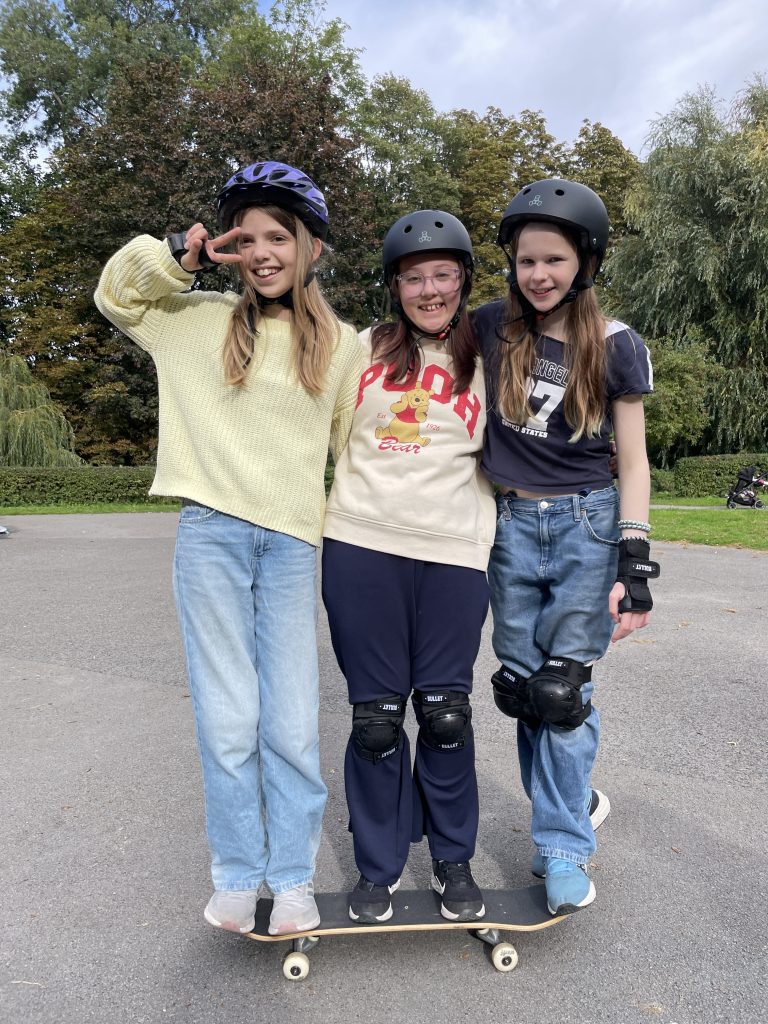
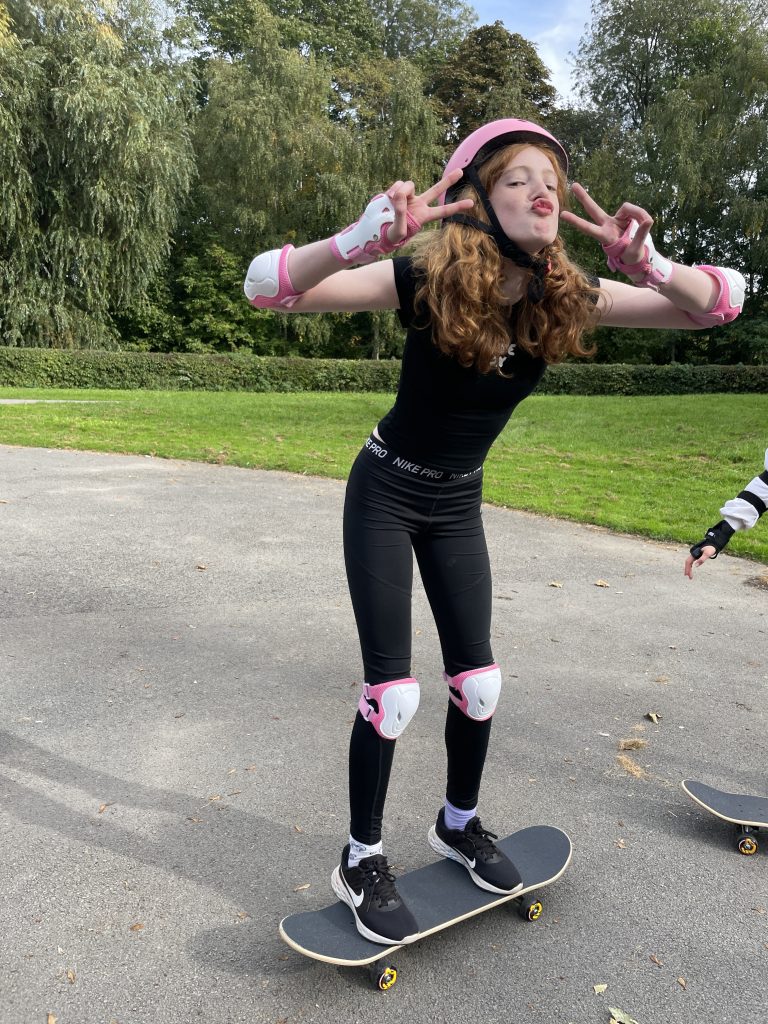
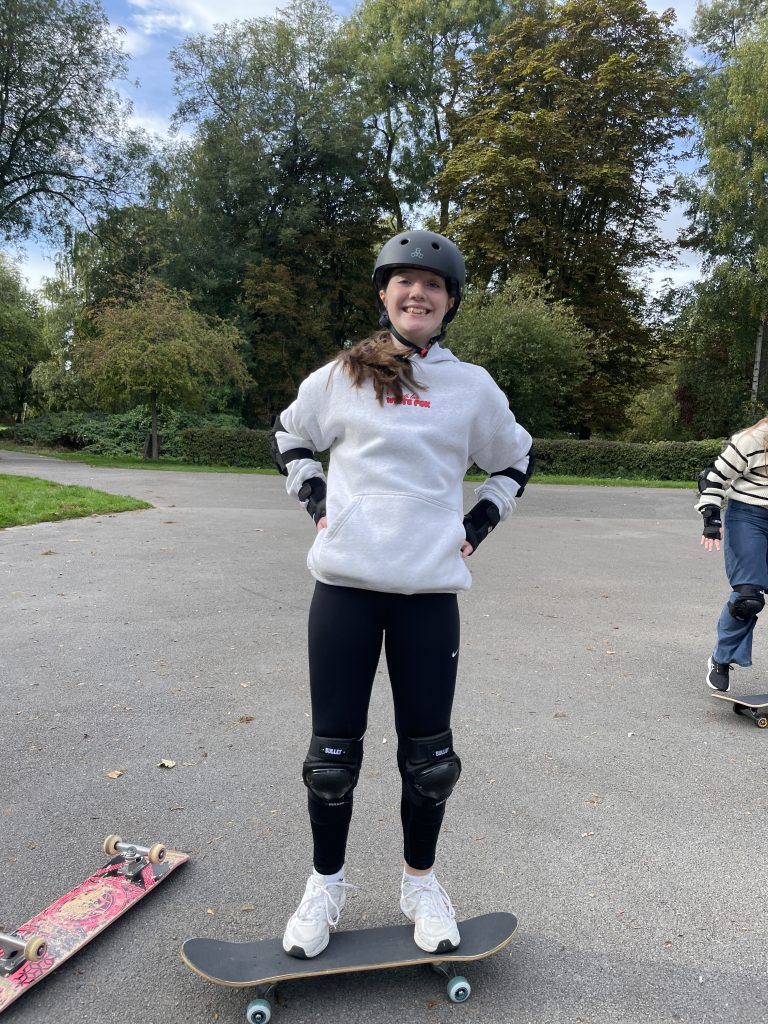
Photos showing some beginners skateboarding sessions run for older girls. Funding paid for a local women skateboarder to train as a coach and some basic equipment to lend to beginners to try sessions. Sessions take place not in the skatepark but on a flat concrete/tarmac area else where in the park whilst beginners learn basic skills.
Partners, Funding & support
This work has only been possible thanks to the support of the local community, including existing skatepark users, and the organisations and funders who have helped make it happen. Make Space York has been working alongside Friends of Rowntree Park, with funding from the Police Community Fund, the Movement, Activity and Sports Fund (supported by York and North Yorkshire Combined Authority) and Micklegate Ward.
I’m keen to keep building on this work, testing new ideas and creating more opportunities for people to get involved. To make that possible, we’ll continue to seek grants, sponsorship and donations. If you’re interested in supporting the project or getting involved, we’d love to hear from you.